P-Factor: Asymmetric Propeller Thrust and the Left-Turning Tendency
FAA Ref: FAA-S-ACS-6C Area I Task F (Performance and Limitations)
Scenario & Physics Summary
At high angles of attack the descending propeller blade has a greater angle of attack, so thrust is asymmetric and the nose yaws left in an airplane whose propeller turns clockwise. Right rudder compensates (Airplane Flying Handbook).
Interactive 3D Visual Plates & Scenario Media
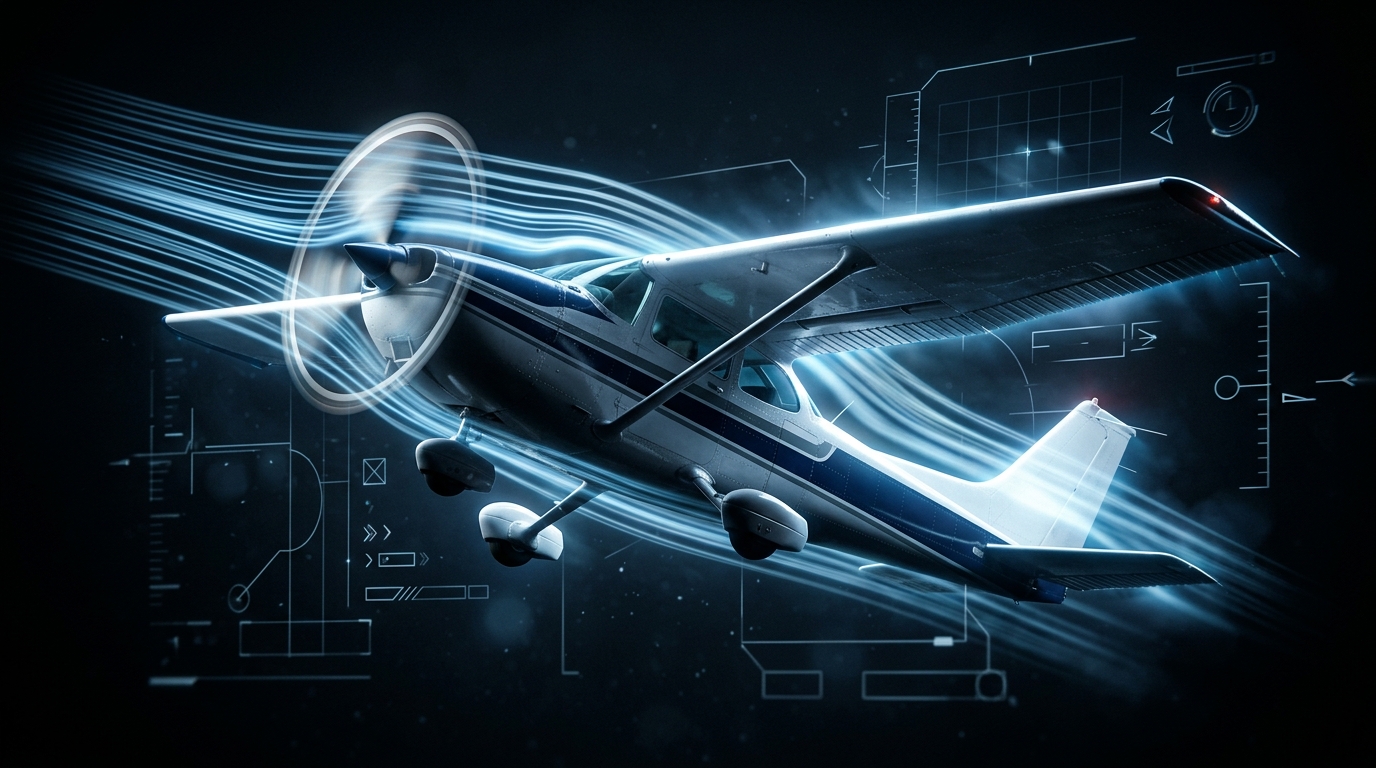
Plate 1: P-Factor: Asymmetric Propeller Thrust and the Left-Turning Tendency
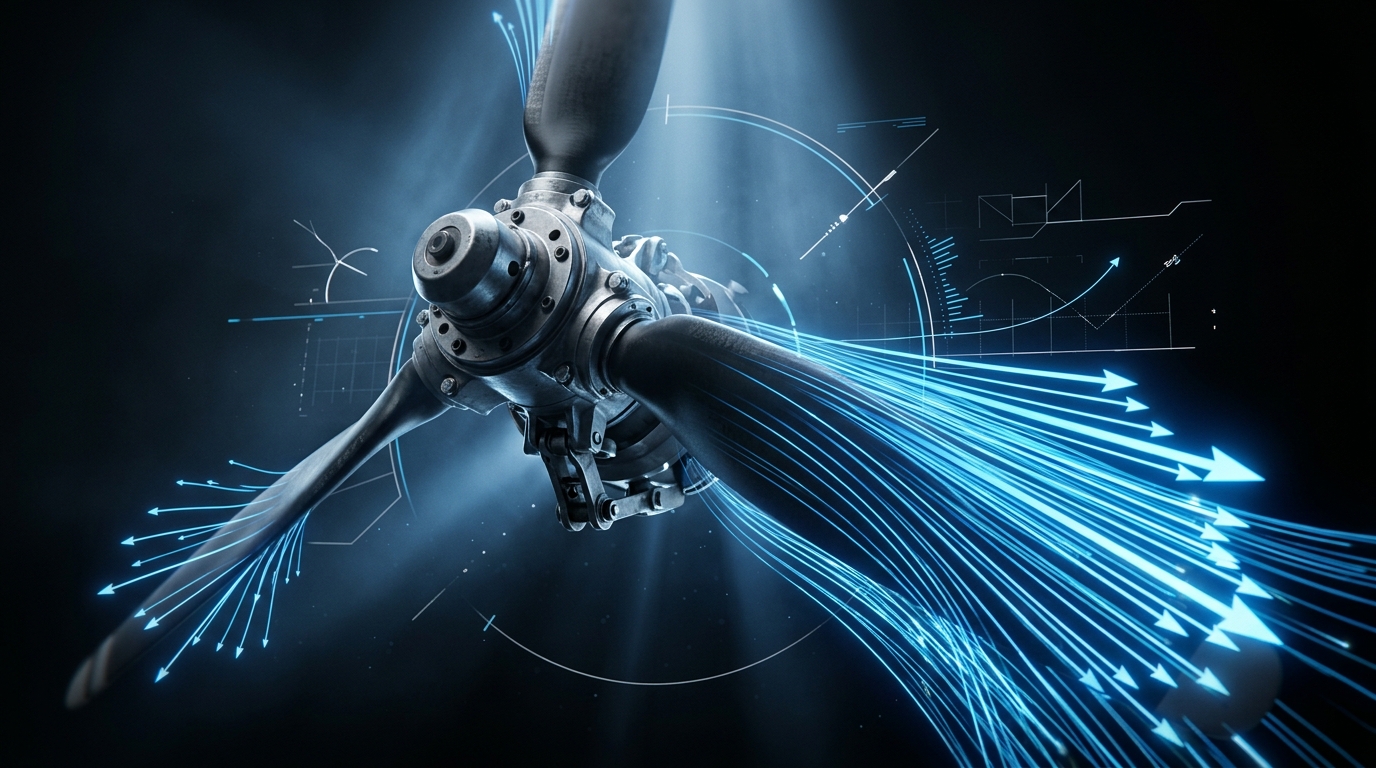
Plate 2: P-Factor: Asymmetric Propeller Thrust and the Left-Turning Tendency
Plate 3: P-Factor: Asymmetric Propeller Thrust and the Left-Turning Tendency
Plate 4: P-Factor: Asymmetric Propeller Thrust and the Left-Turning Tendency
Aerodynamic & Operational Physics
Most airplane propellers rotate clockwise as seen from the pilot's seat. As pitch attitude is increased, the center of thrust moves to the right and becomes asymmetrical.
The cause is the increased angle of attack of the descending propeller blade, which is the right side of the disc seen from the flight deck.
The center of thrust moves right, producing a left-turning yawing moment that moves the nose left.
Torque acting opposite to the propeller rotation also rolls the airplane left, so right rudder and aileron pressure are used to counteract both.
FAA Exam Gotcha Alert
Exam Trap: P-factor is strongest with high power and a high angle of attack, such as the initial climb. In level cruise at low angle of attack the effect is small, so do not expect to need the same right rudder.
Frequently Asked Questions & Exam Explanations
Which way does P-factor yaw an airplane with a clockwise propeller?
To the left. The descending blade on the right side of the disc has the higher angle of attack, moving the center of thrust to the right and yawing the nose left.
How does a pilot counteract P-factor?
With right rudder pressure, together with right aileron pressure to counter the roll from torque (Airplane Flying Handbook).
Master P-Factor: Asymmetric Propeller Thrust and the Left-Turning Tendency in the Simulator
Drill targeted FAA knowledge test questions with step-by-step mathematical decoders and regulatory clause links.