Aircraft Systems

Pitot Tube Blockage (Drain Hole Blocked) Airspeed Indicator Behavior

FAA Ref: FAA-S-ACS-6C Area I Task G (Operation of Systems)

Scenario & Physics Summary

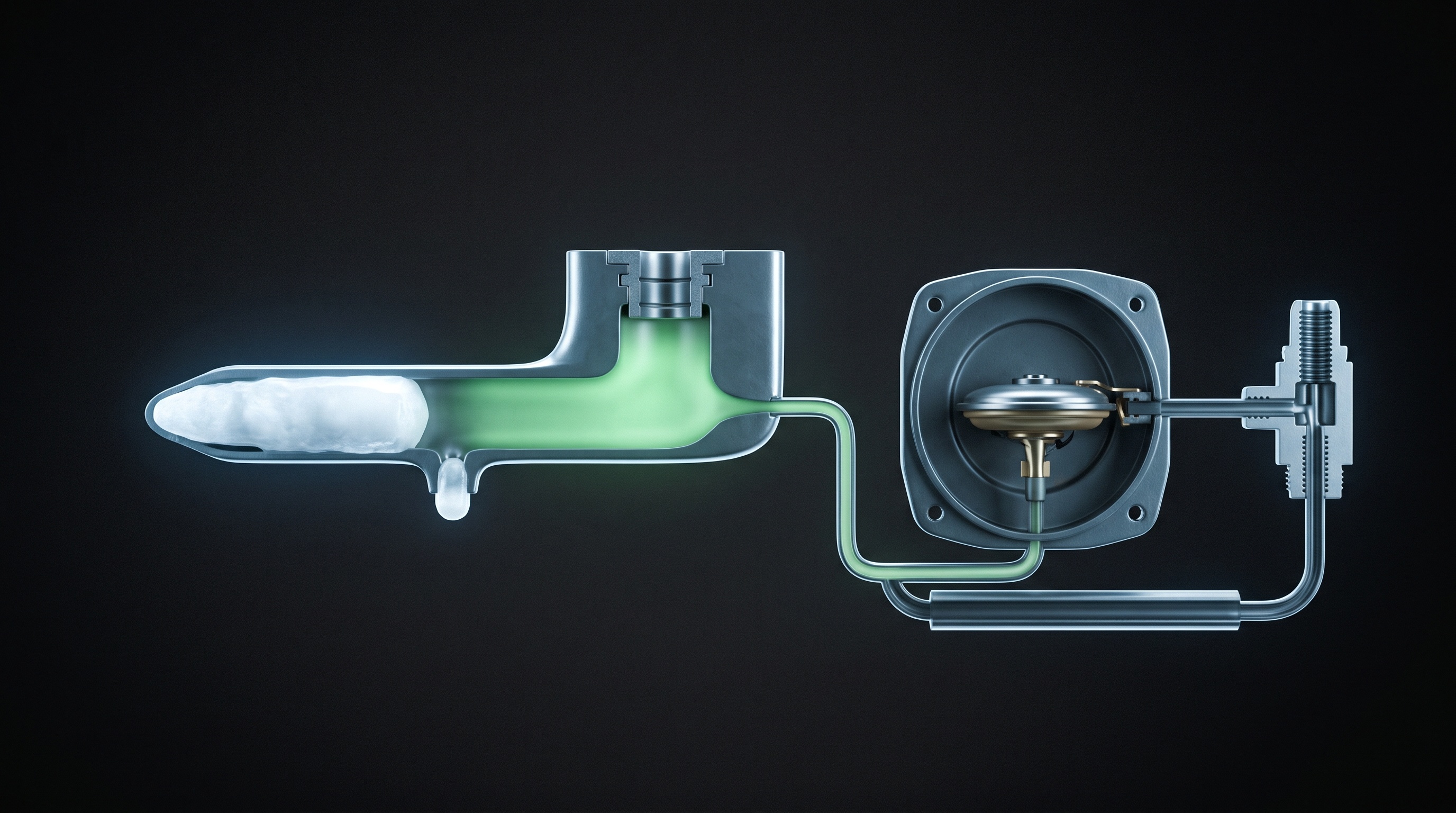
When pitot ram intake AND drain hole block completely, the Airspeed Indicator acts like an ALTIMETER—indicating higher speed in climb and lower speed in descent.

Interactive 3D Visual Plates & Scenario Media

Pitot Tube Blockage (Drain Hole Blocked) Airspeed Indicator Behavior Plate 1
Plate 1: Pitot Tube Blockage (Drain Hole Blocked) Airspeed Indicator Behavior
Pitot Tube Blockage (Drain Hole Blocked) Airspeed Indicator Behavior Plate 2
Plate 2: Pitot Tube Blockage (Drain Hole Blocked) Airspeed Indicator Behavior
Pitot Tube Blockage (Drain Hole Blocked) Airspeed Indicator Behavior Plate 3
Plate 3: Pitot Tube Blockage (Drain Hole Blocked) Airspeed Indicator Behavior
Pitot Tube Blockage (Drain Hole Blocked) Airspeed Indicator Behavior Plate 4
Plate 4: Pitot Tube Blockage (Drain Hole Blocked) Airspeed Indicator Behavior

Aerodynamic & Operational Physics

FAA Exam Gotcha Alert

FAA Exam Trap: A completely blocked pitot tube makes the Airspeed Indicator read HIGH in a climb, tricking the pilot into pitching UP and stalling the airplane!

Frequently Asked Questions & Exam Explanations

How does a blocked pitot tube behave during a climb?

It acts like an altimeter: as altitude increases, indicated airspeed falsely increases, creating a dangerous stall trap.

Master Pitot Tube Blockage (Drain Hole Blocked) Airspeed Indicator Behavior in the Simulator

Drill targeted FAA knowledge test questions with step-by-step mathematical decoders and regulatory clause links.

Enroll now: full Study Hub, unlimited practice tests and a study plan mapped to the ACS →

Or take the diagnostic test first →