Helicopter Dynamics
Helicopter Loss of Tail Rotor Effectiveness (LTE) & Failure Spin
FAA Ref: FAA-S-ACS-15 Area VIII Task G (Antitorque System Failure)
Scenario & Physics Summary
Tail rotor drive failure vs LTE in high power, low speed out-of-wind hovering conditions causing uncommanded rapid yaw rotation.
Interactive 3D Visual Plates & Scenario Media
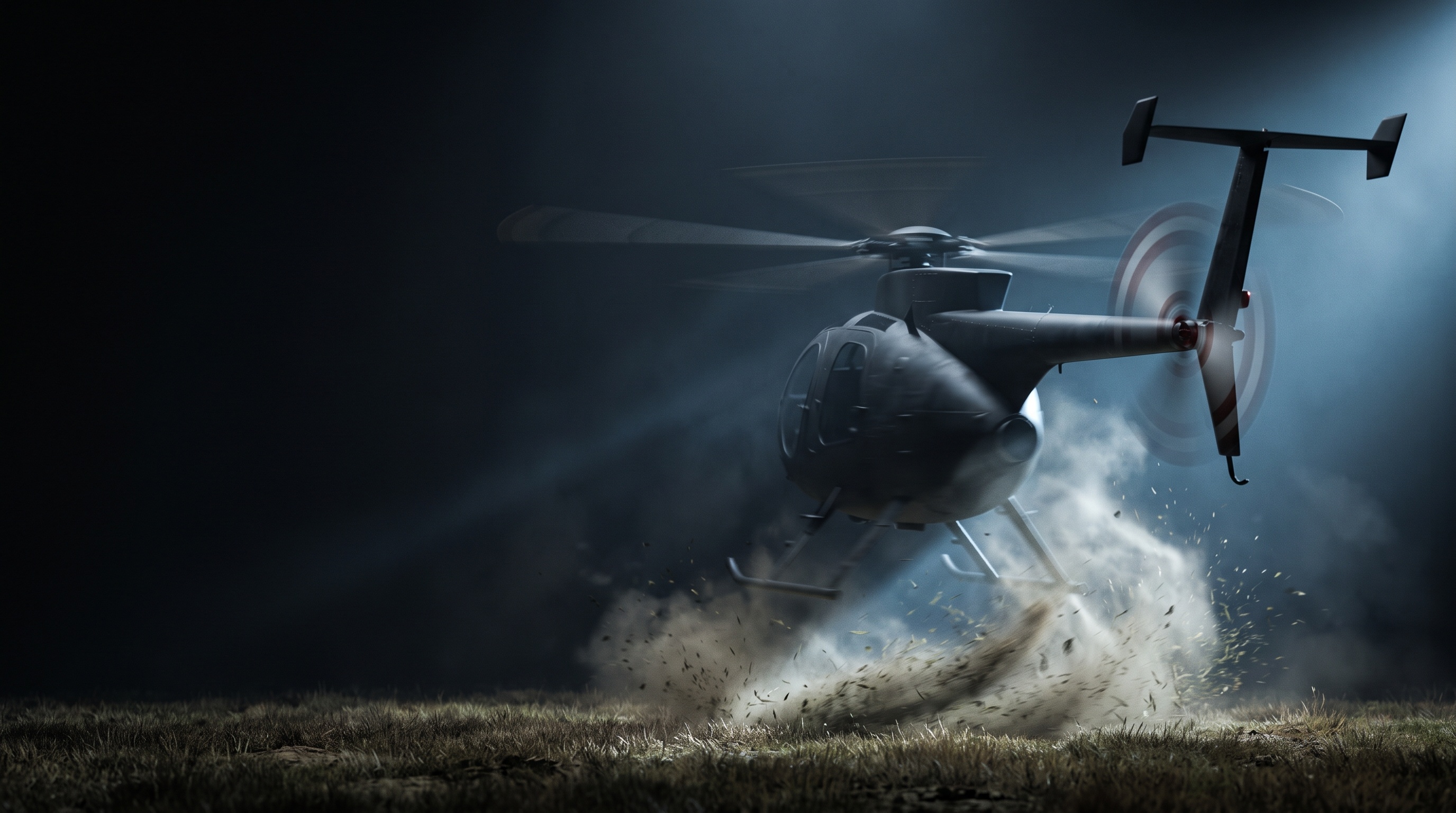
Plate 1: Helicopter Loss of Tail Rotor Effectiveness (LTE) & Failure Spin
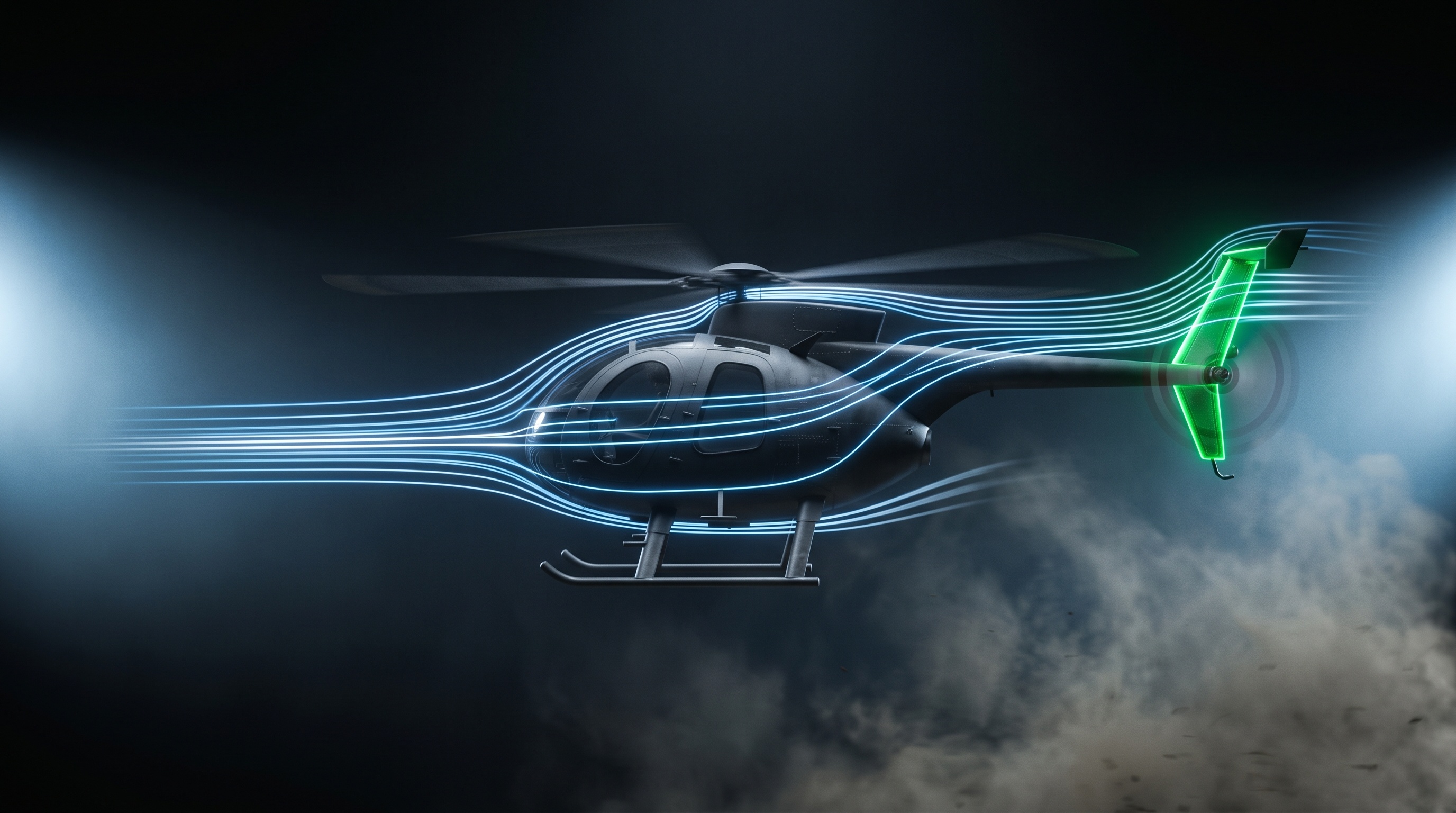
Plate 2: Helicopter Loss of Tail Rotor Effectiveness (LTE) & Failure Spin
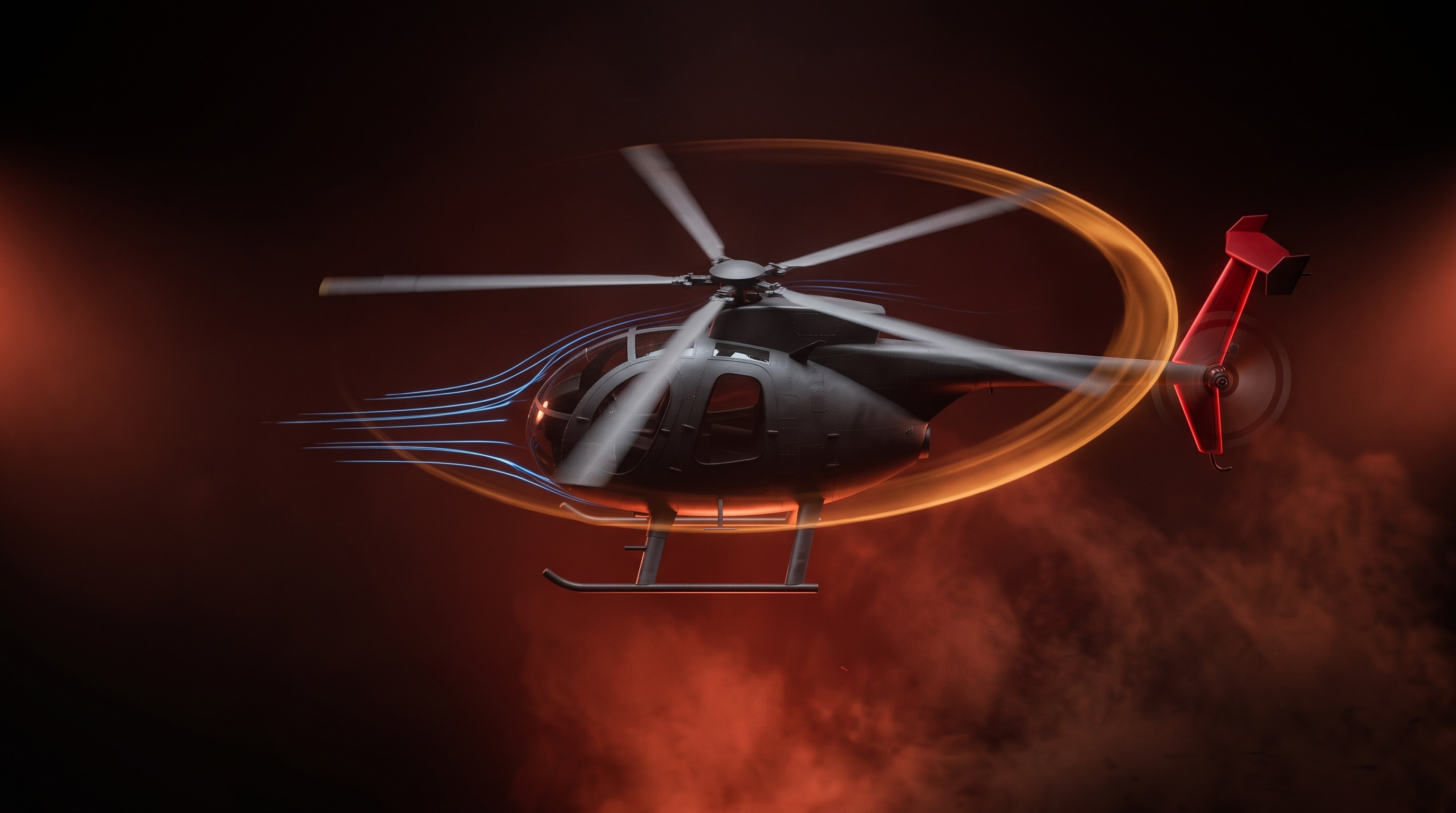
Plate 3: Helicopter Loss of Tail Rotor Effectiveness (LTE) & Failure Spin
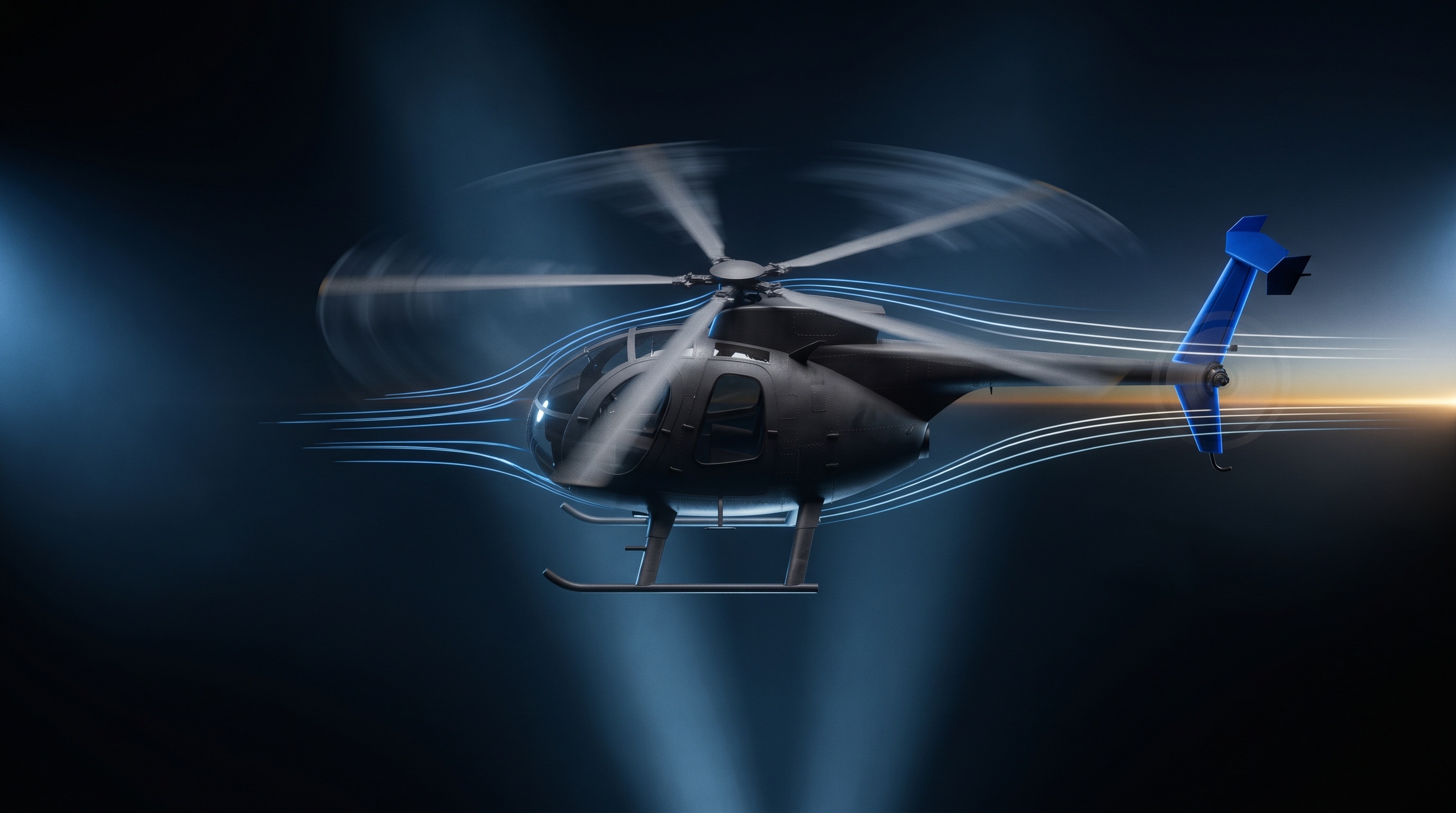
Plate 4: Helicopter Loss of Tail Rotor Effectiveness (LTE) & Failure Spin
Aerodynamic & Operational Physics
- Tail rotor balances main rotor torque reactive yaw (Newton's 3rd Law).
- Loss of Tail Rotor Thrust causes violent yaw rotation opposite main rotor direction.
- In forward flight: Enter autorotation immediately, shut down engine to stop torque reactive yaw.
- In hover: Reduce collective, shut down engine, execute cushioning autorotation landing.
FAA Exam Gotcha Alert
Exam Trap: In complete tail rotor drive failure, engine torque MUST be removed immediately by rolling off throttle to stop the spin.
Frequently Asked Questions & Exam Explanations
What is the primary recovery action for complete tail rotor failure in cruise flight?
Immediately enter autorotation by lowering collective and reducing throttle to eliminate main rotor torque.
 Aero Academic